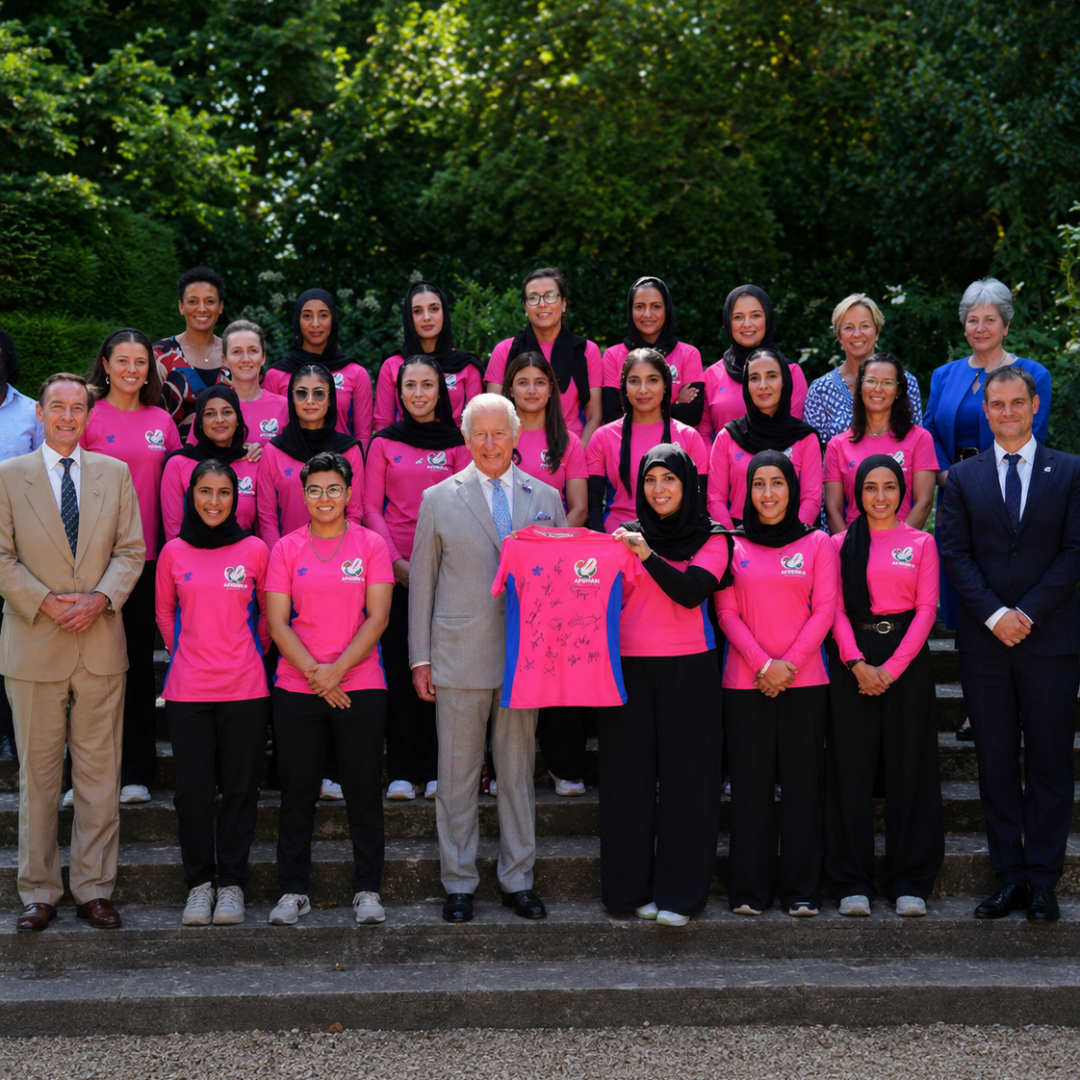
The International Cricket Council (ICC) has taken a monumental step for global inclusion in women’s cricket. At its Annual Conference in Edinburgh, the ICC Board officially endorsed the continuation of the Development Pathway Programme for Afghan refugee women cricketers. This landmark decision establishes a clear, structured roadmap to integrate these displaced athletes into official international fixtures. Most importantly, the initiative aims to help the refugee players participate in official ICC qualification events by the year 2030.
By committing to a long-term plan, the game’s global governing body is providing hope and a highly visible platform for athletes who lost their homes and playing careers. This development has quickly emerged as one of the most powerful stories in modern sports. It highlights how the cricket community can unite to support human rights and athletic development.
ICC Announces New Roadmap
The ICC Board approved the continuation of the Development Pathway Programme during its July 2026 meetings. In addition, the board reconstituted its Special Taskforce to oversee the project. The ICC appointed Independent Director Dr. Ros Rivaz and ICC Chief Executives’ Committee member Sarah Keane to join the reconstituted task force.
These new members will work alongside existing representatives from the Board of Control for Cricket in India (BCCI), Cricket Australia (CA), and the England and Wales Cricket Board (ECB). The reconstituted Special Taskforce has a direct mandate. It must create a sustainable pathway that helps the Afghan refugee women’s cricket group transition into the official ICC qualification pathway by 2030.
Background of the Afghan Refugee Women’s Team
The journey of these cricketers remains both heartbreaking and inspiring. Following the political transition in Afghanistan in August 2021, the local administration banned women from participating in sports. Consequently, many members of the Afghan women cricket team fled the country to seek safety.
A significant number of these players resettled as refugees in Australia, England, and Canada. Despite their displacement, their passion for the sport remained undiminished. Recognizing their plight, the ICC launched an initial support programme in 2025. Individual member boards, including Cricket Australia, the ECB, and the BCCI, offered crucial assistance by facilitating facilities, local club integration, and training equipment. Over the past year, the players have made extraordinary progress, culminating in competitive group tours to India and England.
What’s Included in the New Roadmap?
The newly approved ICC roadmap provides a highly structured and fully funded ecosystem to support the players.
- Localized Coaching and S&C: Players will receive consistent access to quality cricket coaches, strength and conditioning (S&C) experts, and physiotherapists in their current home locations.
- Domestic Integration: Displaced players in Australia, England, and Canada will continue to integrate into local club structures to gain regular match experience.
- Collective High-Performance Training: The players will periodically gather as a unified squad for specialized high-performance training camps and international tours.
- Phased Competitive Match Play: The ICC will organize regular competitive matches against strategically selected opposition. This plan will build their match fitness and tactical skills ahead of the 2030 ICC qualification pathway.
Why This Decision Matters
This decision represents a major victory for the global growth of women’s cricket. By formalizing this pathway, the ICC has proved its deep commitment to inclusion and equality. The programme ensures that talented female athletes are not penalized for political crises beyond their control. Furthermore, it inspires displaced women and girls worldwide, showing that determination can pave the way to the global stage.
Challenges Ahead
Despite the positive announcement, significant challenges lie ahead. Because the players live on different continents, organizing regular collective training sessions remains difficult.
Additionally, the task force must ensure the long-term financial sustainability of the program. Creating a highly competitive team from a small pool of displaced players requires time and patience. The ICC member boards must continue to play an active, collaborative role to guarantee the program’s success.
Reaction from the Cricket Community
The decision has received overwhelming praise from administrators and players alike.
BCCI Secretary and ICC representative Jay Shah welcomed the progress. He noted that the initiative reflects cricket’s ability to transcend borders and bring positive social change.
Special Taskforce member Dr. Ros Rivaz expressed her pride in joining the project. “The Task Force has been entrusted with developing a clear and sustainable roadmap,” Rivaz stated. “This programme reflects the ICC’s commitment to fostering opportunity through cricket.”
Afghan refugee women cricketers also shared their excitement. “This programme has already made a real difference to us,” said player Nahida Sapan. “It’s very reassuring to hear that the ICC and the Task Force are making a long-term commitment.”
Fellow player Firooza Afghan added that previous tours to India and England were life-changing. “A long-term view of participation in ICC qualification pathways gives us a clear goal to work towards,” she noted.
Former Australia international Mel Jones also praised the roadmap. “It sends a powerful message that talent and determination deserve opportunity,” Jones said.
Conclusion
The ICC’s newly launched roadmap is a defining moment for Afghan refugee women’s cricket. By providing structured coaching, competitive matches, and a pathway to international tournaments by 2030, the ICC has created a sustainable platform for these brave athletes. As the global cricket community supports this initiative, these players will continue to inspire the sports world with their resilience.
References & Credits
- International Cricket Council (ICC): Official Media Release: ICC Empowers Special Taskforce for Afghan Refugee Women (July 13, 2026).
- The Times of India: ICC Backs Afghan Refugee Women Cricketers, Targets 2030 Pathway (July 13, 2026).
- Reuters Sports: ICC Endorses Development Programme for Displaced Afghan Female Cricketers (July 13, 2026).
- ESPNcricinfo: ICC Annual Conference: Special Taskforce Reconstituted for Afghan Refugee Women (July 13, 2026).
- Cricbuzz: Editorial: How the ICC’s 2030 Roadmap Offers New Hope to Refugee Cricketers (July 14, 2026).