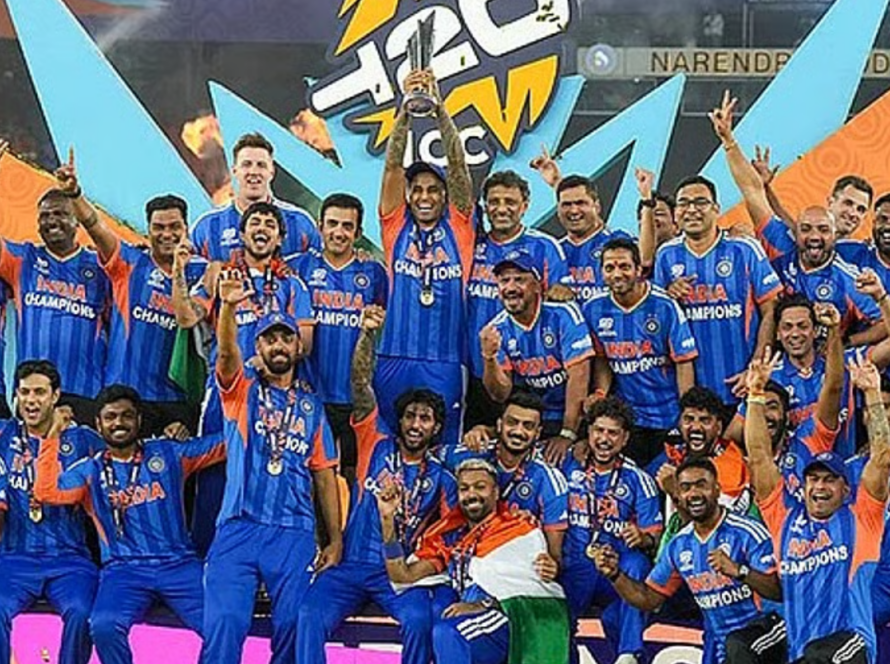
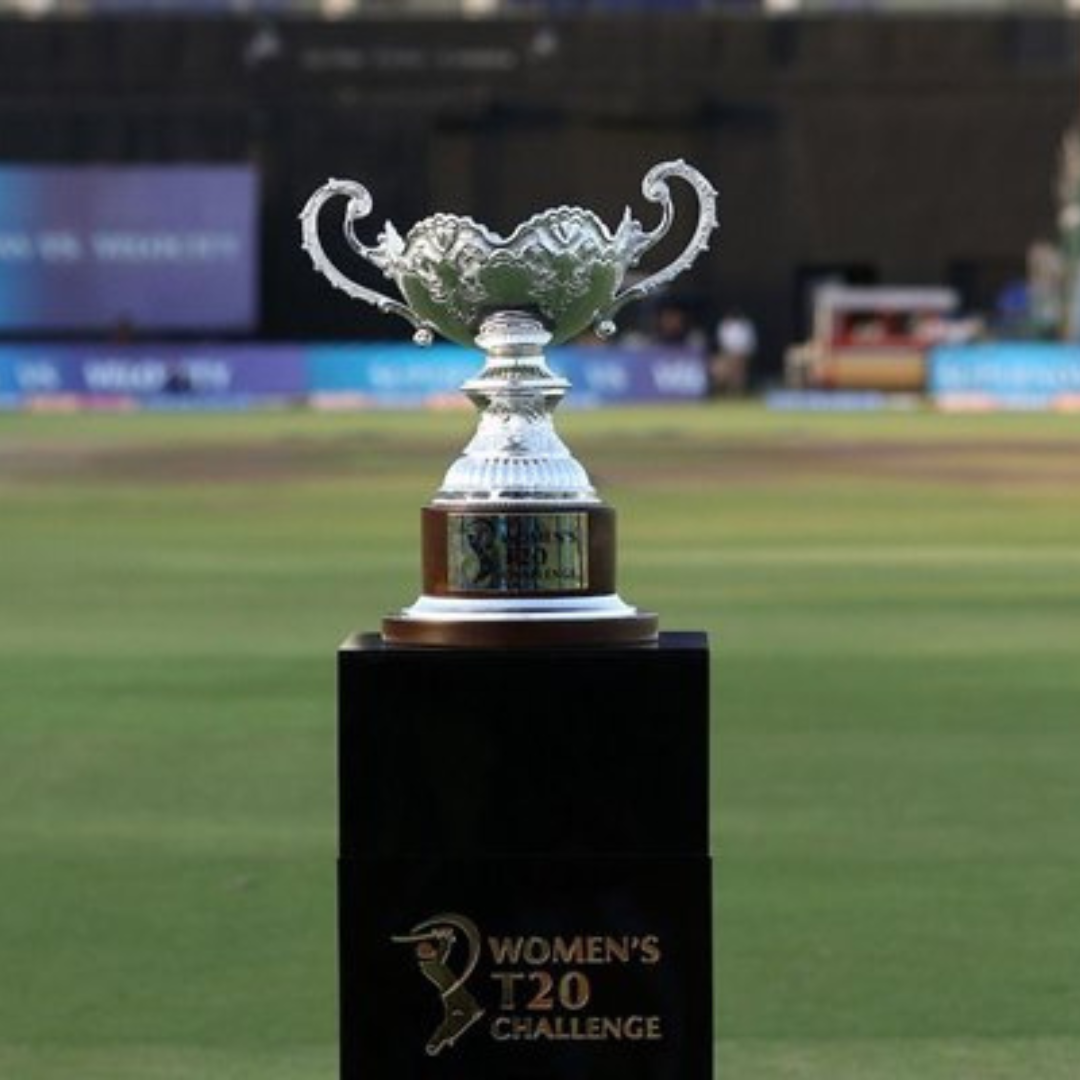
The ICC Women’s T20I Challenge Trophy 2026 has concluded, marking a significant milestone in the evolution of global women’s cricket. As one of the premier ICC women events of the year, this tournament provided a high-stakes platform for established powerhouses and rising nations alike. The event showcased the rapid improvement in skill levels, athleticism, and tactical sophistication within the T20 format.
Tournament Overview
The 2026 edition of the T20I Challenge Trophy served as a vital precursor to the upcoming World Cup cycle. Hosted across multiple high-performance venues in Sri Lanka, the tournament featured ten of the world’s top-ranked T20I teams. The primary objective of the event was to foster competitive parity and provide more international exposure to teams outside the traditional “Big Three.”
Throughout the three-week window, fans witnessed a high standard of women cricket tournament play. The pitches offered a balanced contest between bat and ball, rewarding technical proficiency and strategic planning.
Tournament Format and Structure
The ICC implemented a rigorous format to ensure only the most consistent teams reached the final stages. The structure was designed to maximize the number of meaningful matches between top-tier sides.
- Group Stage: The ten participating teams were divided into two groups of five. Each team played four matches within their group in a round-robin format.
- Points System: Teams earned two points for a win and one point for a “No Result.” Net Run Rate (NRR) served as the primary tie-breaker for teams level on points.
- Knockout Stages: The top two teams from each group progressed to the semi-finals. The winners of these matches met in the grand finale to decide the champion.
- Qualification: Entry into the tournament was determined by the ICC T20I Team Rankings as of a specific cutoff date in late 2025.
Key Matches and Highlights
The group stages produced several closely contested matches that defined the tournament’s narrative. A major highlight was the opening fixture between England and South Africa, which went down to the final over. England’s disciplined death bowling ultimately secured a narrow victory, setting the tone for the competition.
Another standout moment occurred during the mid-tournament clash between India and Australia. This high-scoring encounter saw over 340 runs scored collectively, breaking previous venue records. The match highlighted the aggressive batting intent that now defines modern T20I cricket.
Top Performers of the Tournament
Individual brilliance was on full display during the ICC Women’s T20I Challenge Trophy 2026. While team efforts were paramount, several players delivered match-winning contributions that shifted the tournament’s momentum.
- Leading Run-Scorer: Smriti Mandhana (India) led the charts with consistent scoring at the top of the order. She accumulated over 280 runs across the tournament, maintaining a strike rate above 135.
- Leading Wicket-Taker: Sophie Ecclestone (England) continued her dominance as the world’s premier spinner. She claimed 14 wickets, utilizing her height and flight to deceive batters on the slower Sri Lankan tracks.
- Emerging Player: Marufa Akter (Bangladesh) impressed scouts and analysts with her raw pace and ability to swing the new ball. Her three-wicket haul against New Zealand was cited as one of the best spells of the group stage.
What This Tournament Means for Women’s Cricket
The success of this event signals a bright future for Women’s cricket 2026 and beyond. Several key takeaways emerged from the competition:
- Global Growth: The gap between the top-ranked teams and emerging nations is narrowing. The competitive performances of Associate-heavy sides demonstrated that increased funding and fixtures are yielding results.
- Commercial Viability: Record-breaking viewership numbers for the 2026 trophy confirm the growing market for women’s sports. Increased broadcasting rights and sponsorship deals are expected to follow.
- Pathway for Talent: The tournament acted as a bridge for young players to transition from domestic leagues (like the WPL or WBBL) to the international stage.
Conclusion
The ICC Women’s T20I Challenge Trophy 2026 successfully highlighted the depth and talent present in the modern game. By providing a structured and professional environment for the world’s best, the ICC has ensured that the momentum behind women’s cricket continues to build. The focus now shifts to the 2027 calendar, with teams taking valuable lessons from this competitive showcase.
References & Credits
- International Cricket Council (ICC): Official Tournament Handbook and Match Reports
- ICC Press Releases: Post-match Media Briefings and Statistical Summaries
- ESPNcricinfo: Detailed Player Profiles and Ball-by-ball Archives
- Cricbuzz: Editorial Analysis and Tournament Points Table
- Reuters Sports: Global Syndication and Event Coverage